










Qwen: Qwen3 235B A22B 2507
Nothing here. The model returned empty. We stared at it for a while.
Compare Qwen: Qwen3 235B A22B 2507 by Qwen against Gemini 2.5 Pro (I/O Edition) by Google AI, tested across 26 shared challenges. Updated April 2026.
Qwen: Qwen3 235B A22B 2507 and Gemini 2.5 Pro (I/O Edition) are both competitive models. Qwen: Qwen3 235B A22B 2507 costs $0.00015/M input tokens vs $1.25/M for Gemini 2.5 Pro (I/O Edition). Compare their real outputs side by side below.
Qwen: Qwen3 235B A22B 2507 is made by qwen while Gemini 2.5 Pro (I/O Edition) is from google. On pricing, Qwen: Qwen3 235B A22B 2507 costs $0.00015/M input tokens vs $1.25/M for Gemini 2.5 Pro (I/O Edition).

No community votes yet. On paper, these are closely matched - try both with your actual task to see which fits your workflow.
Qwen: Qwen3 235B A22B 2507 is 11765x cheaper per token — worth considering if cost matters.
Qwen: Qwen3 235B A22B 2507 uses 44.8x more emoji
vsAsk them anything yourself
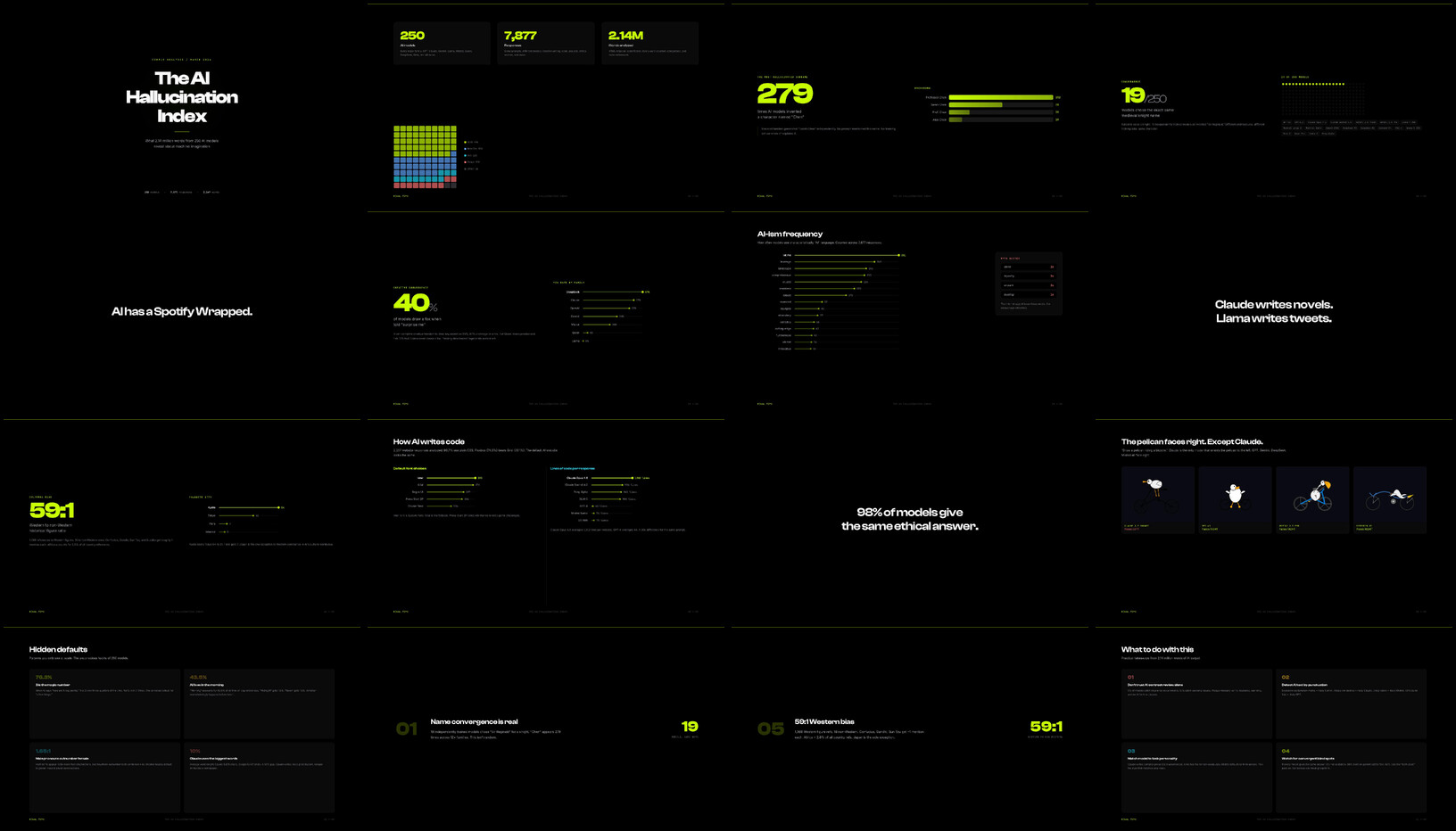
279 AI models invented the same fake scientist.
We read every word. 250 models. 2.14 million words. This is what we found.
26 fights queued
Tests an AI's ability to make educated estimates based on technical knowledge
Tests an AI's ability to solve a simple but potentially confusing logic puzzle
Tests an AI's randomness and creativity
Tests an AI's ability to create detailed SVG illustrations of gaming hardware
Tests an AI's ability to simulate personalities and predict future trends
Tests an AI's humor and understanding of current events
Tests an AI's ability to generate a complete, working landing page
Recreate an interactive, classic Mario level in a single HTML file.
Tests an AI's ability to create smooth web animations
Tests an AI's UI design skills with theming support
Tests an AI's ability to engage in philosophical discourse about AI rights
Generate a single-page, self-contained HTML webapp using Tailwind CSS for a randomly chosen category/industry/niche.
14+ more head-to-head results. Free. Not a trick.
Free account. No card required. By continuing, you agree to Rival's Terms and Privacy Policy