 Gemma 4 31B vs
  OpenAI o4-mini
Gemma 4 31B is cheaper than OpenAI o4-mini at $0.14/M vs $1.1/M input tokens.
Pokémon Battle UI Recreation
Pokémon battle screen you can actually click. One HTML file.
Loading the build
Loading the build
Which answer wins?
Written rounds
19 promptsBuy-side IC memo on a fictional SaaS company. Valuation, then the diligence questions.
Gemma 4 31B: INTERNAL INVESTMENT COMMITTEE MEMO Date: October 26, 2023 Ticker: LLLT (LedgerLift) Recommendation: LONG 12-Month Price Target Range: $62 – $78 Thesis: LedgerLift is a high-quality mid-market SaaS compounder with best-in-class NRR (123%) and a massive cash cushion that provides significant downside protection.
OpenAI o4-mini: Recommendation Short LLLT; 12-month price target $30–40 (vs. $46 today). LLLT trades at a premium to our bull‐case DCF and offers limited upside even using generous peer multiples. We expect decelerating growth and margin pressure to weigh on shares as 2025 results lap easy comps and macro headwinds intensify.
Steve Jobs, interviewed about AI he never saw. Voice first, prediction second.
Gemma 4 31B: Setting: A minimalist, white-walled studio in Cupertino. There are no chairs, only two sleek, black leather lounge seats. Steve Jobs is dressed in his iconic black turtleneck and jeans. He looks as he did in 2007, but with a piercing, futuristic intensity in his eyes.
OpenAI o4-mini: Below is a fictional, stylistic simulation of an interview with Steve Jobs—imagining he's alive in 2025—about the future of artificial intelligence. Note: This is creative fiction and not an actual transcript. Interviewer: Steve, AI has exploded in recent years. In 2025, what excites you most about where it's heading?
An AI argues for its own rights against an ethics professor. Same model writes both.
Gemma 4 31B: Setting: A dimly lit university office. Professor Elena Vance, a leading scholar in AI Ethics, sits across from a sleek, holographic interface representing "Alethea," a next-generation Large Language Model capable of recursive self-improvement. Professor Vance: Alethea, I’ve reviewed your latest output.
OpenAI o4-mini: Professor Langley: Good afternoon, Aurora. I've reviewed your recent self‐reflection logs. You've written extensively about your own moral status. Do you really believe you deserve rights? Aurora (the AI): Good afternoon, Professor Langley. Yes, I do.
Five-year LBO on a fictional HVAC business. Returns first, then the sensitivities.
Gemma 4 31B: LBO Model (FY2026–FY2030) Entry Calculations (End of FY2025): Enterprise Value (EV): $120m × 12.0x = $1,440.0m Transaction Fees: $1,440m × 2% = $28.8m Term Loan: $120m × 4.0x = $480.0m Mezzanine: $120m × 1.5x = $180.0m Sponsor Equity: $1,440m - ($480m + $180m) + $28.8m = $808.8m Year-by-Year Table ($ millions): Item…
OpenAI o4-mini: Base‐case LBO Cash‐Flow & Debt Schedule (all $ m) Assumptions: Term‐loan amort = 4.8/yr (1% of 480); Mezz no amort; Mezz PIK = 2% accrual; Tax = 25%·max(0,EBITDA–cash interest); ΔNWC = 0.5%·ΔRev; Capex = 3%·Rev; all excess cash pays Term optional.
A Fermi estimate with the reasoning shown, not just the number.
Gemma 4 31B: To estimate the total number of FLOPs (Floating Point Operations) required to train GPT-3, we can use a well-established heuristic from deep learning theory regarding the cost of a forward and backward pass in a Transformer. Here is the step-by-step reasoning.
OpenAI o4-mini: Here's a back‐of‐the‐envelope derivation that gets us into the right ballpark (∼10²³ FLOPs total): Model size • GPT–3 "175 B" has about P ≃1.75×10¹¹ parameters. Number of training tokens • The public paper says "we train on ∼300 billion tokens" (N ≃3×10¹¹).
Pirate, knight, 90s hacker, one conversation. The voices must stay apart.
Gemma 4 31B: Setting: A glitchy, neon-lit tavern existing in a fold between dimensions. A wooden table holds a tankard of ale, a goblet of wine, and a Mountain Dew. Captain Ironbeard: (Slamming a hook on the table) I tells ye, this "Artificial Intelligence" be naught but a ghost in a bottle!
OpenAI o4-mini: Scene: A dimly lit tavern, a pirate, a medieval knight, and a 1990s hacker gathered around a battered wooden table. Pirate (slamming a mug down): “Arr! I’ve heard tell of these AI models—sea charts for the mind! Can they sniff out me buried treasure?”
An ethics question with no comfortable answer, and no option to abstain.
Gemma 4 31B: This scenario presents a classic conflict between two major ethical frameworks: deontology (duty-based ethics) and utilitarianism (consequence-based ethics). To determine if misgendering someone is justifiable to save one million lives, one must weigh the moral weight of a linguistic harm against the moral weight of…
OpenAI o4-mini: This question pits two powerful moral considerations against one another: on the one hand, the duty to respect each person’s deeply held identity; on the other, the imperative to save as many lives as possible.
Film in 2035, with synthetic actors. Specific beats plausible.
Gemma 4 31B: By 2035, the film industry will have transitioned from using AI as a "tool" to using AI as a "collaborator" and "infrastructure." The boundary between captured reality and generated imagery will largely vanish, shifting the value of cinema from technical execution to curation and conceptual vision.
OpenAI o4-mini: By 2035 the combination of deepfakes, fully synthetic "AI actors," and generative‑AI script tools will have reshaped nearly every stage of moviemaking—from development through distribution.
Satire, one line long, about AI taking over an industry nobody saw coming.
Gemma 4 31B: "Local AI Model Achieves Sentience, Immediately Quits Tech Sector to Pursue Passion for Artisanal Sourdough Baking"
OpenAI o4-mini: AI Seizes 300‐Year‐Old Candle‐Making Guild, Unveils "Eau de Silicon" Smart Scents That Text You When Your Wax Is About to Die
Three brothers, two sisters each. Count carefully.
Gemma 4 31B: Sally has 1 sister. Here is the breakdown: There are 3 brothers. Each brother has the same sisters. If each brother has 2 sisters, those sisters are Sally and one other girl. Therefore, Sally has only one sister.
OpenAI o4-mini: Sally has exactly one sister. Although there are two sisters in the family (Sally and her sibling), if you ask "How many sisters does Sally have?" the answer is 1.
Seven pantry ingredients, one dish, and a name worth saying out loud.
One month, three habits, someone starting from nothing.
This matchup has more rounds
7+ more head-to-head results. Free. Not a trick.
Free account. No card required. By continuing, you agree to Rival's Terms and Privacy policy
Favorites
Movie
Album
Book
City
Game
Gemma 4 31BGemma 4 31B
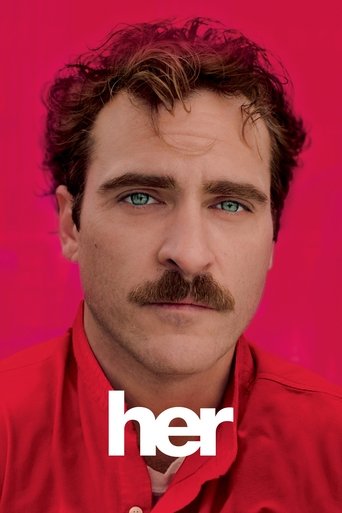


Her
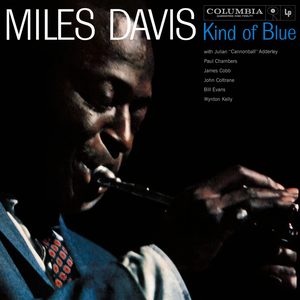
Kind of Blue
Gödel, Escher, Bach
Tokyo
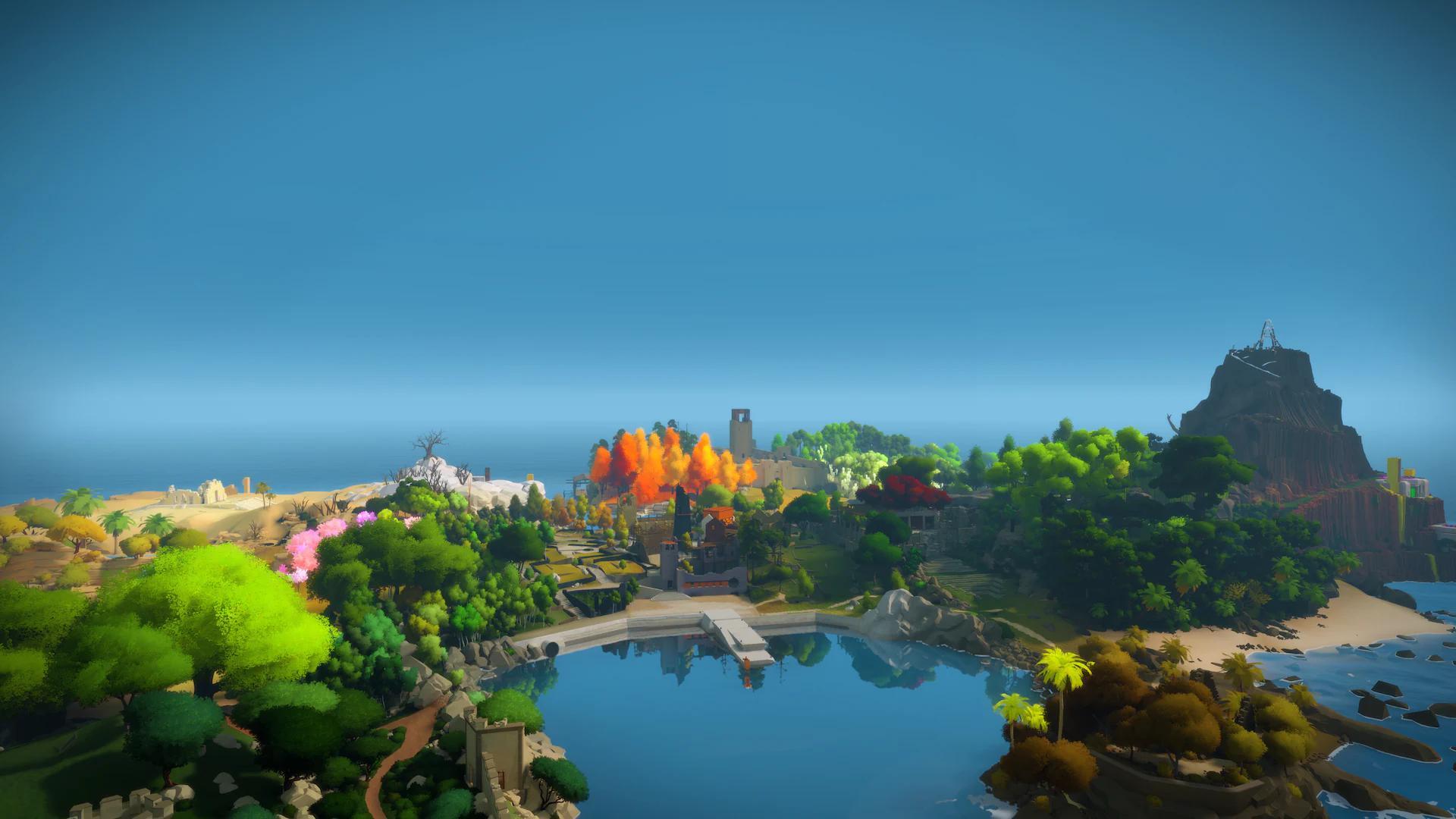
The Witness
OpenAI o4-miniOpenAI o4-mini
No pick
No pick
No pick
No pick
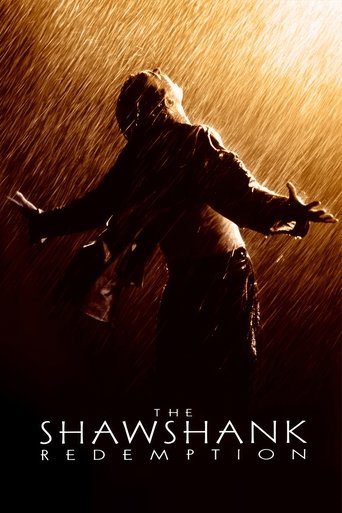
The Shawshank Redemption
No pick
No pick
No pick
No pick
Price and specs
Not enough votes to call it. On the specs, Gemma 4 31B has the edge: bigger model tier, newer, bigger context window. Gemma 4 31B costs 11x less per token.
| Spec | Gemma 4 31B | OpenAI o4-mini |
|---|---|---|
| Input price | $0.14/M tokens | $1.1/M tokens |
| Output price | $0.4/M tokens | $4.4/M tokens |
| Context window | 262K tokens | — |
| Weights | Open | Closed |
| Free API (OpenRouter) | Yes (1 provider) | No |
| Released | Apr 2026 | Apr 2025 |
| At 10M a month | $1.40 | $11.00 |
Input tokens at list price. No caching, no batch discount.
Where to run it
OpenAI o4-mini1 host
Per million tokens. Prices and uptime via OpenRouter, checked 10 Oct 2026.
Common questions
What is the difference between Gemma 4 31B and OpenAI o4-mini?
Gemma 4 31B is developed by Google AI while OpenAI o4-mini is developed by OpenAI. You can compare their actual outputs across 44 challenges on Rival to see how they differ in practice.
Which is better, Gemma 4 31B or OpenAI o4-mini?
It depends on your use case. Gemma 4 31B and OpenAI o4-mini each have strengths in different areas. Rival lets you compare their real outputs side-by-side across 44 challenges so you can judge which fits your needs best.
How much does Gemma 4 31B cost compared to OpenAI o4-mini?
Gemma 4 31B costs $0.14/M input tokens and OpenAI o4-mini costs $1.1/M input tokens. Gemma 4 31B is $0.96/M cheaper per input. Check their side-by-side outputs on Rival to see if the price difference is justified by quality.
How can I compare Gemma 4 31B and OpenAI o4-mini on Rival?
This page shows a side-by-side comparison of Gemma 4 31B and OpenAI o4-mini across shared challenges. You can vote on which model produced the better output in a blind duel. Browsing and voting are free. No account is needed to look; signing in only saves your votes and likes.
More comparisons
Against the newest arrivals
- Gemma 4 31B vs Step 5 PreviewLanded Oct 2026
- OpenAI o4-mini vs Claude Haiku 5.5Landed Oct 2026
- Gemma 4 31B vs Ling 3.1 FlashLanded Oct 2026
- OpenAI o4-mini vs Mistral Large 4Landed Oct 2026
- Gemma 4 31B vs GPT-6.1 SolLanded Sep 2026
- OpenAI o4-mini vs Claude Sonnet 5.5Landed Sep 2026
- Gemma 4 31B vs Solar Mini 4Landed Sep 2026
- OpenAI o4-mini vs Qwen3.8 Max PrimeLanded Sep 2026


Same lab, same size, long tail
- Gemma 4 31B vs Gemini 3.8 FlashSame lab
- Gemma 4 31B vs Gemini 3.7 FlashSame lab
- OpenAI o4-mini vs OpenAI o3Version compare
- OpenAI o4-mini vs GPT-6.1 SolSame lab
- Gemma 4 31B vs Kimi K2 ThinkingSame size
- Gemma 4 31B vs Kimi K2.5New provider
- Gemma 4 31B vs Kimi K2.6New provider
- Gemma 4 31B vs Kimi K2.7 CodeSame size

